The "Healthy" Hallucination
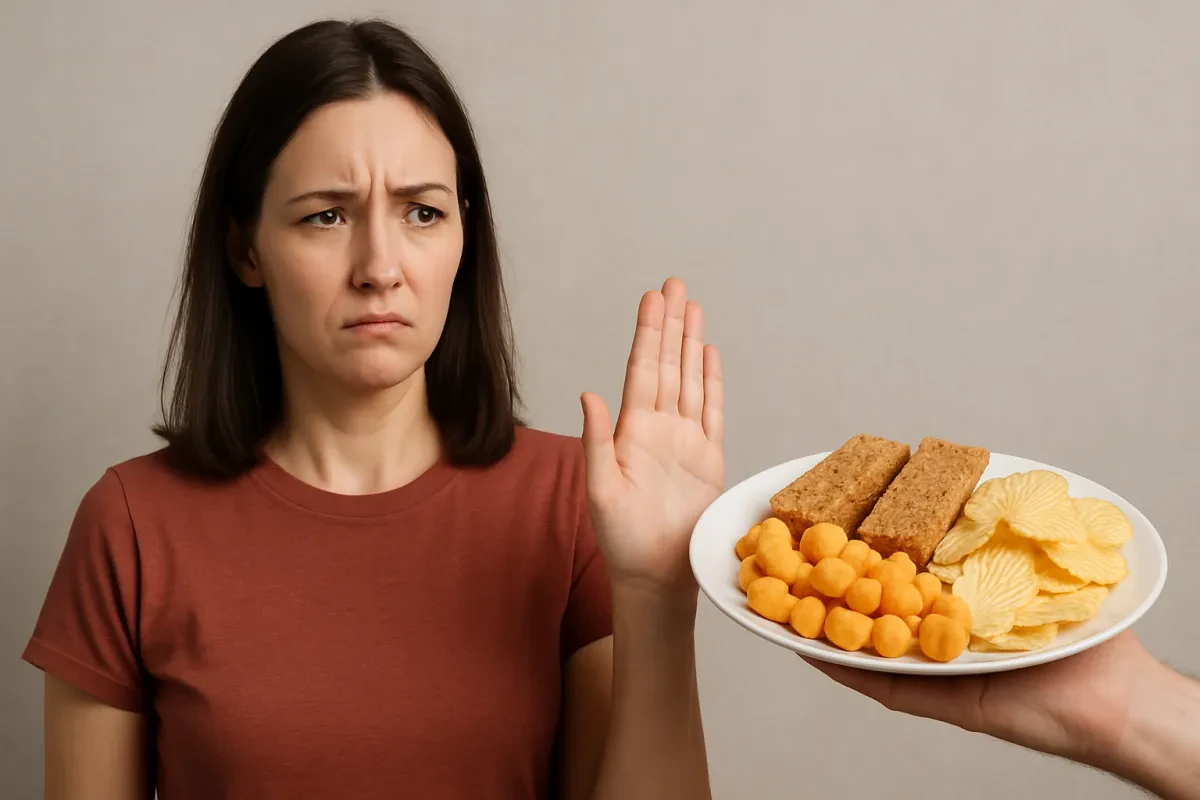
We’ve all been there. You’re standing in the health food aisle or at the gym, and you grab a protein bar that screams "Keto," "Low Sugar," or "High Fiber" on the front of the box. You feel good about your choice. You think you’re fueling your body with the best nutrition possible. But if you turn that box over and look past the marketing, you’ll often find a different story.
At JK Healthy Eats, we believe that if you need a chemistry degree to read a food label, it isn't food—it’s a formula. Today, we are exposing the two biggest offenders found in "healthy" snacks today: Tapioca Fiber and Sucralose.
The Tapioca Fiber Trick (The Net Carb Scam)
If you’ve ever wondered how a sweet, chewy protein bar can claim to have "1 gram of sugar" and "15 grams of fiber," the answer is usually Soluble Tapioca Fiber (also called Isomalto-oligosaccharides or IMO). On paper, this sounds great. Manufacturers claim this fiber doesn't count toward your "Net Carbs." However, for many people, the body doesn't treat it like fiber.
Why we avoid it:
- Blood Sugar Spikes: Research has shown that these processed fibers can spike blood sugar and insulin levels almost as much as regular sugar.
- The "Bloat" Factor: Because it is a highly processed starch, it often causes significant digestive distress and gas.
- Artificial Texture: It is used as a cheap "glue" to hold bars together, replacing real-food ingredients like nuts or dates.
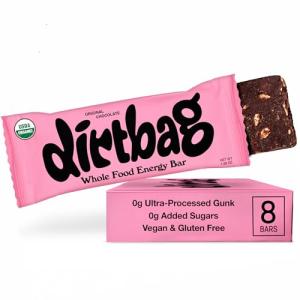
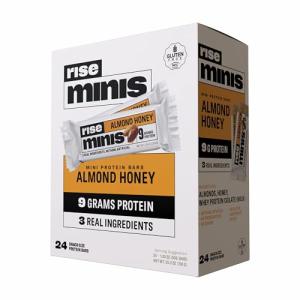
If your "healthy" snack lists "Soluble Corn Fiber" or "Tapioca Fiber" as a top ingredient, it’s a sign that the brand is prioritizing label math over your actual health. Choose a clean bar like RXBAR or Rise Bar
The Sweetener Trap: The Truth About Sucralose
Sucralose is 600 times sweeter than table sugar and costs almost nothing to manufacture. This is why it is the "king" of the diet food world. You’ll find it in everything from protein shakes to "zero calorie" syrups. At JK Healthy, we have a strict No Sucralose policy.
Here is why:
- Gut Health: Emerging studies suggest that sucralose can negatively impact your gut microbiome—the "good" bacteria that regulate your immunity and digestion.
- Insulin Response: Even though it has no calories, the extreme sweetness can trigger a cephalic phase insulin response, essentially "tricking" your body into thinking sugar is coming, which can lead to cravings later.
- The Aftertaste: Artificial sweeteners dull your palate to the natural sweetness of real foods like berries or raw honey.
We believe in sweetness as nature intended—from whole fruits, raw honey, or pure monk fruit that hasn't been "cut" with chemical fillers.
Our "Never List" Checklist
Before you buy your next snack, check the label for these "Red Flag" ingredients. If you see them, put the box back on the shelf:
- Maltodextrin: A thickener with a glycemic index higher than white sugar.
- Industrial Seed Oils: Canola, Soybean, or Sunflower oil blends that are highly inflammatory.
- Fractionated Palm Oil: A heavily processed fat used for shelf stability.
- Erythritol & Malitol: Sugar alcohols that often lead to "emergency" trips to the bathroom.
Shop With Confidence at JK Healthy Eats
You shouldn’t have to spend an hour in the grocery aisle with a magnifying glass to find a snack that won't ruin your diet. That is why we've built JK Healthy Eats.
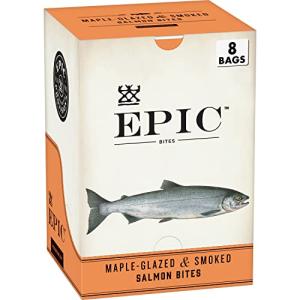
We have personally vetted every product in this store. If it contains tapioca fillers, artificial sweeteners, or industrial oils, it doesn't make the cut. We focus on brands that use simple, recognizable ingredients like egg whites, almonds, and sea salt.
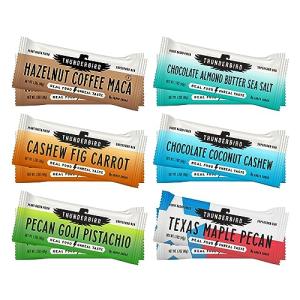
Choose a variety pack of healthy snacks or nuts! Stop guessing and start fueling. Visit our Real Food Protein Bar Collection to see what clean-food nutrition looks like.